Clinical Presentation and Treatment of Phase Syndrome in a Pediatric Patient: A Case Report. Phase Syndrome in Pediatrics
Introduction PHACE syndrome is a rare neurocutaneous disorder characterized by posterior fossa malformations, hemangiomas, arterial anomalies, cardiac defects, and ocular abnormalities. Propranolol is an effective treatment for hemangiomas, but cerebrovascular and cardiac assessments are recommended before initiating therapy. Long-term treatment is often necessary, with a risk of rebound growth upon discontinuation.
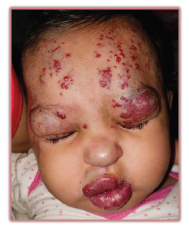
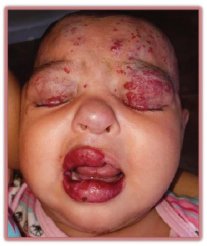
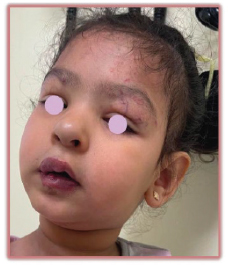
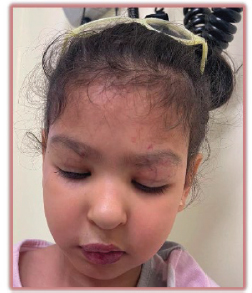
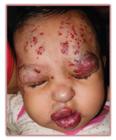
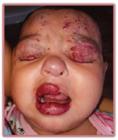
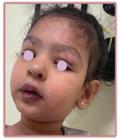
Case Description We present the case of a 4-year-old girl, born at 41 weeks, with prenatal exposure to alcohol and marijuana. Initially normal, she developed facial hemangiomas at 20 days, leading to eye obstruction and lip ulceration. Subsequently, imaging revealed mega cisterna magna, periorbital changes, corpus callosum dysgenesis, and possible Dandy-Walker malformation. At 12 months, she was diagnosed with PHACE syndrome based on hemangioma size, posterior fossa anomalies, and ocular findings. By 20 months, she exhibited delayed motor skills, hypotonia, and convergent strabismus. At 4 years, she presents severe developmental delays. Propranolol effectively reduced her hemangiomas, with dosage adjustments based on weight changes. She receives multidisciplinary care, although financial constraints limit access to imaging and laboratory tests.
Discussion PHACE syndrome primarily affects females, with around 400 documented cases globally. Facial hemangiomas are present in 20-30% of these cases. Diagnosis is based on clinical evaluation and imaging studies, including MRI and echocardiography. While propranolol is the preferred treatment, long-term outcomes remain uncertain, highlighting the need for ongoing monitoring of cerebrovascular anomalies.
Conclusion This case underscores the complexity of PHACE syndrome, highlighting the need for early diagnosis and careful management. Further research is required to improve treatment options.
Keywords:
Neurocutaneous disorder; propanolol; PHACE syndrome
 Thumbnail
 Thumbnail
 Thumbnail
 Thumbnail