
 Modifiable factors and determinants associated with poor lipid control in individuals with high cardiovascular risk
Introduction: Science continues to provide evidence in managing cardiovascular disease in high-risk patients. This study aimed to identify modifiable factors and social determinants of health associated with poor lipid control.
Methodology: This observational and retrospective study included 338 medical records of individuals with new cases of myocardial infarction.
Results: The population was X(SD)= 68.3 (10.9) years. Of the medical records evaluated, 48.4% had a history of dyslipidemia, and 50.3% had Acute Coronary Syndrome. The probability of suffering a coronary event was 57.3% in patients with hypertension (OR=57.3, p<0.001) and with a history of stroke and chronic kidney disease (OR=9.10, p=0.038). 4.2% (n = 11) of patients received low-intensity statin monotherapy, and none received high-intensity combined therapy with ezetimibe. Dosage reduction was observed in patients 20.4% (n = 69), and a new medication was added in 2.1% (n = 7). Only 31.95% (n = 108), p < 0.01, achieved LDL-C levels below 70 mg/dL during the study period. Each point increase in LDL-C level was associated with an approximate 6% increase in unstable angina/myocardial infarctions compared with the lowest frequency categories.
Conclusion: There is an urgent need to protocolize and establish adherence plans to reduce LDL-C levels in individuals at high cardiovascular risk.
Keywords:
Cholesterol; statin; cardiovascular diseases; myocardial infarctions
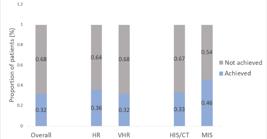 Thumbnail
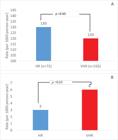 Thumbnail
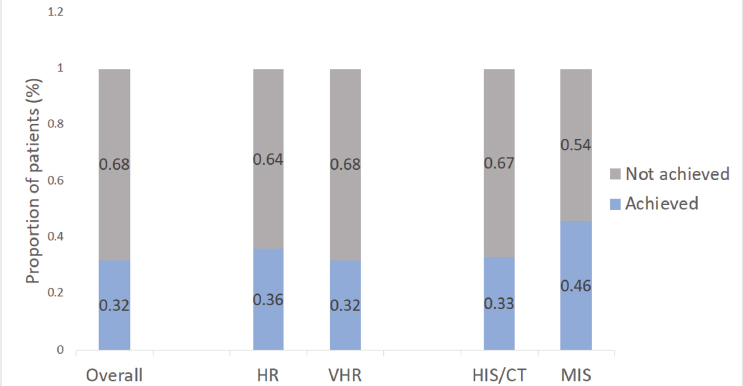 Notes: HR: High risk, VHR: Very high risk, HIS: High intensity statin therapy, CT: Combined therapy, MIS (Moderate intensity therapy). ASCVD: Atherosclerotic Cardiovascular Disease
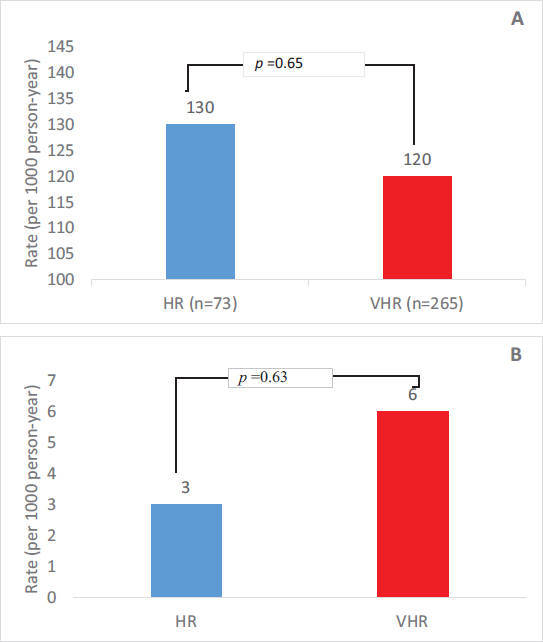 Notes: ACS: Acute coronary syndrome; ASCVD: Atherosclerotic Cardiovascular Disease; HR: High risk; VHR: Very high risk.