Modelo estratégico para la atención médica resiliente en crisis sanitarias: análisis post-COVID-19
The COVID-19 pandemic exposed structural vulnerabilities in healthcare systems, affecting the continuity of care for patients without this infection, which includes individuals with acute illnesses, chronic conditions, and other non-urgent health needs. This study proposes a strategic model to ensure quality, continuity, and equity in medical care for this population.
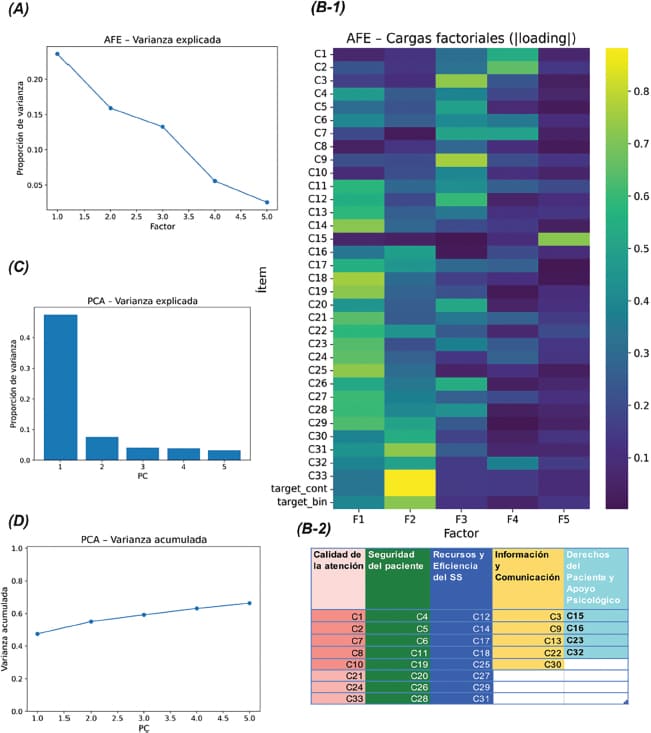
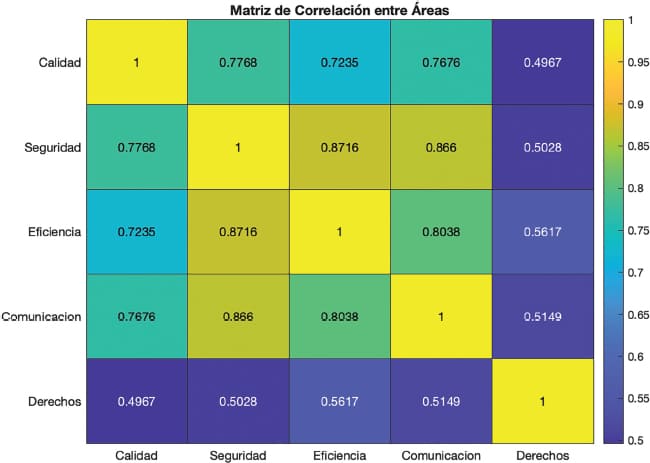
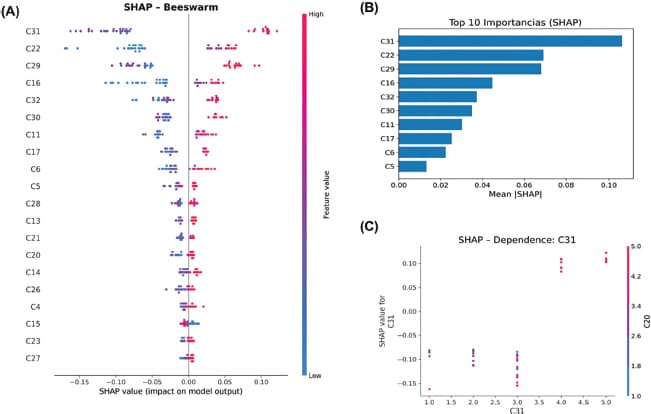
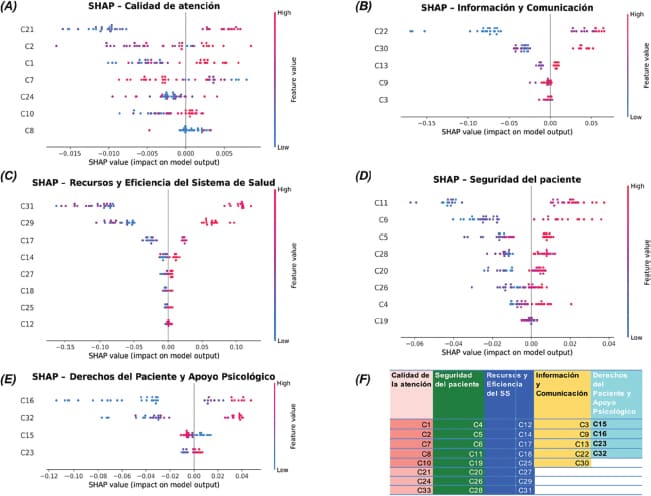
Methods: An observational, cross-sectional, and retrospective study was conducted based on the perceptions of 155 non-COVID-19 patients treated between 2019 and 2021. Using a structured questionnaire, domains such as quality of care, patient safety, resource efficiency, and communication were evaluated. Factor analyses and interpretable machine learning models (SHAP) were applied to identify key factors associated with satisfaction.
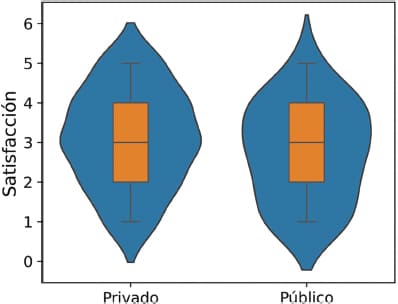
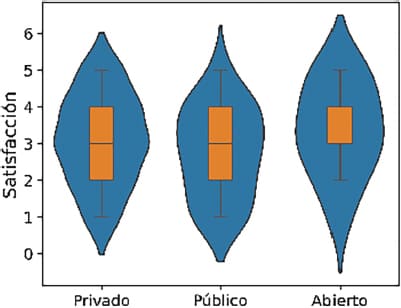
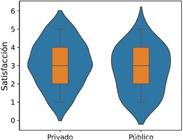
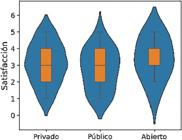
Results: Perceived safety, operational efficiency, and resource availability emerged as the factors with the greatest impact on patient experience. No significant differences in overall satisfaction were found between users of public and private services.
Conclusions: The findings, which should be considered exploratory due to their retrospective and self-reported nature, suggest a strategic framework centered on efficiency, resilience, and communication. This study provides a foundation for developing continuity of care plans that mitigate structural iatrogenesis and strengthen the sustainability of the health system in the face of future crises.
Keywords:
Care continuity; health care delivery models; health care quality; health care quality management; hospital management
 Thumbnail
 Thumbnail
 Thumbnail
 Thumbnail
 Thumbnail
 Thumbnail
 Thumbnail
 Thumbnail
 Thumbnail