
 Leucemia promielocítica aguda con compromiso al sistema nervioso central: a propósito de un caso clínico
Introduction: Leukemia is a hematological neoplasm that encompasses various subtypes, with Acute Promyelocytic Leukemia (APL) being one of the most aggressive, characterized by the involvement of the myeloid lineage. This condition has a high mortality rate if not diagnosed and treated in a timely manner. Although APL classically presents with hemorrhagic manifestations and hematological alterations, there are cases with unusual clinical presentations, including atypical neurological manifestations.
Objective: To present the case of a patient diagnosed with APL; to highlight the importance of early diagnosis and proper management, as well as to emphasize the serious complications associated with the disease and its treatment.
Methods and materials: A comprehensive analysis of clinical and paraclinical studies was performed, including complete blood count, peripheral blood smear, bone marrow aspirate, immunophenotyping tests, and molecular diagnosis by FISH. Initial treatment consisted of the administration of all-trans retinoic acid (ATRA) and targeted chemotherapy.
Results: The patient, a 36-year-old female with a history of polycystic ovary syndrome, menorrhagia, recurrent anemia, and cocaine addiction, presented with areas of diffuse ecchymosis, inferior paraparesis, and significant hematologic abnormalities. Despite early treatment at a specialized center, she died due to complications associated with APL and treatment-associated differentiation syndrome.
Conclusion: This case emphasizes the importance of early diagnosis and multidisciplinary management of APL, especially in its atypical presentation. The rapid progression of the disease and treatment-related complications underscore the need for a comprehensive and timely approach to improve clinical outcomes in patients with this neoplasm.
Keywords:
Acute promyelocytic leukemia; bone marrow; central nervous system; hematologic malignancies; anemia
 Thumbnail
 Thumbnail
 Thumbnail
 Thumbnail
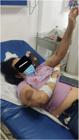
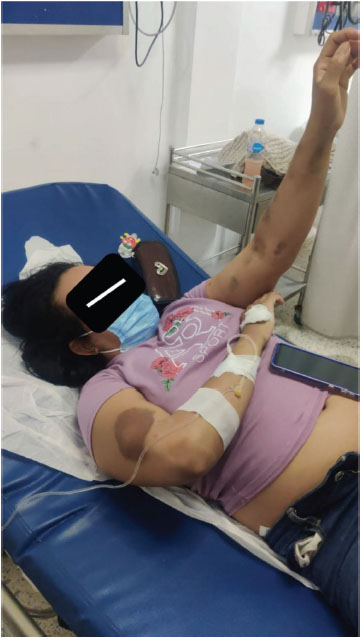 Fuente: Imagen original capturada por el autor. Publicación realizada con autorización expresa de la paciente y familiares, en conformidad con principios éticos de confidencialidad y consentimiento informado.
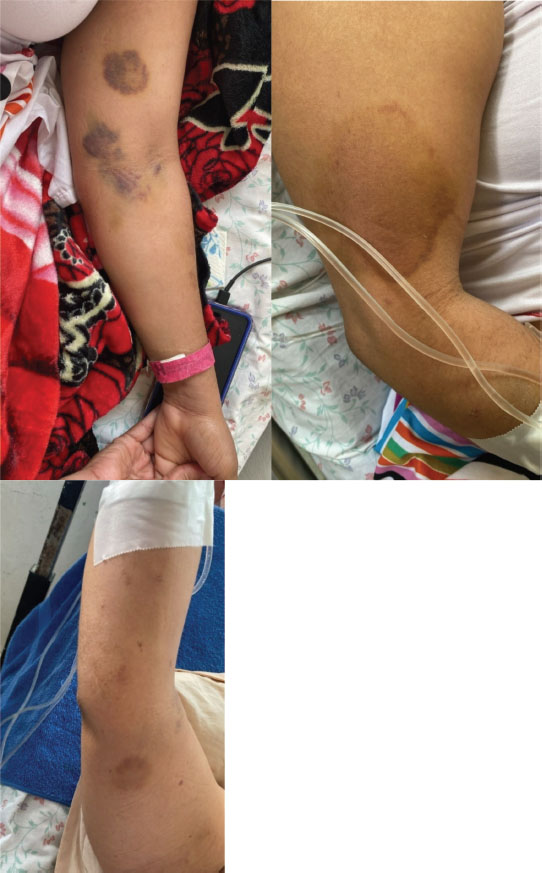 Fuente: Imágenes originales capturadas por el autor. Publicación realizada con autorización expresa de la paciente y familiares, en conformidad con principios éticos de confidencialidad y consentimiento informado.
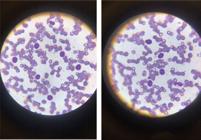
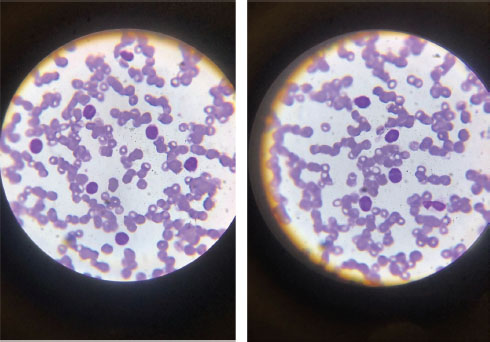 Fuente: Imágenes originales obtenidas por el autor durante la evaluación hematológica. Publicación realizada con autorización de la paciente y familiares, conforme a los principios éticos de confidencialidad y consentimiento informado.
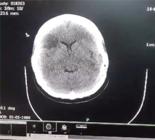
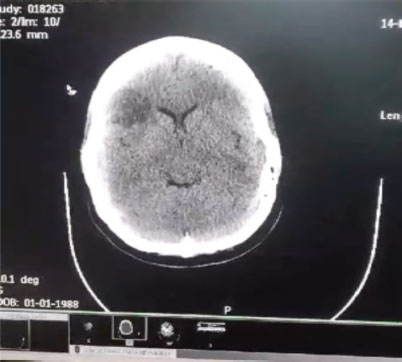 Fuente: Tomografía institucional registrada durante la hospitalización. Uso aprobado por la paciente y familiares conforme a normas éticas de confidencialidad.