Conocimientos, actitudes y prácticas sobre el método madre canguro en el personal de salud que labora en la unidad pediátrica de centros de atención de segundo nivel de Santiago de los Caballeros, República Dominicana, durante el período abril-junio de 2024
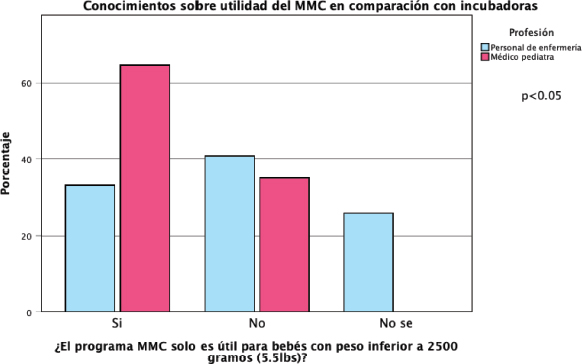
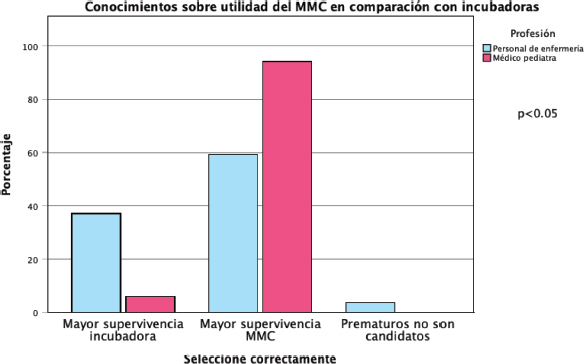
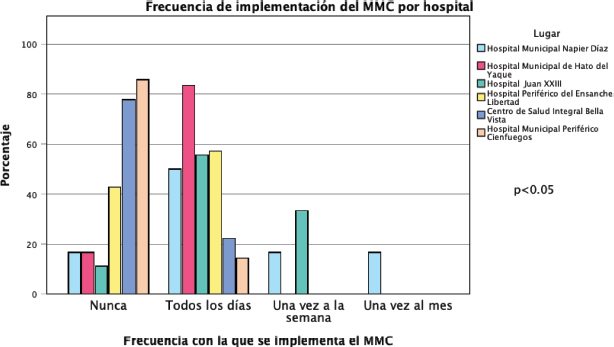
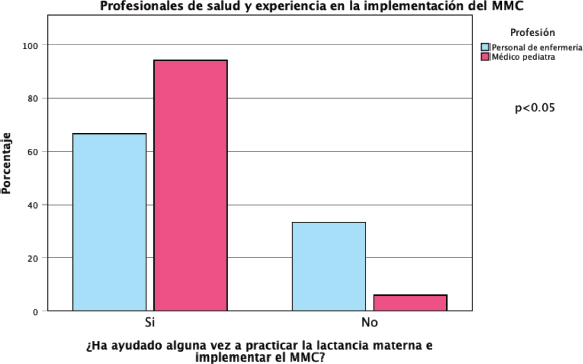
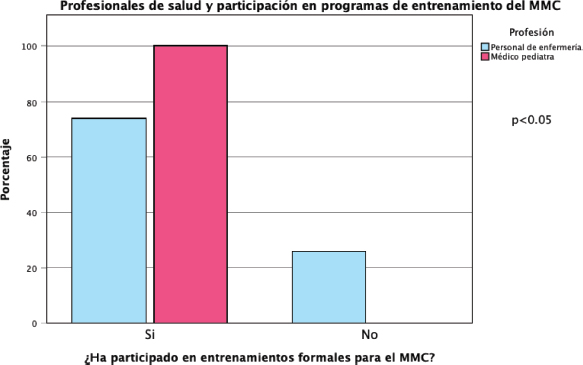
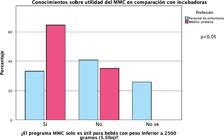
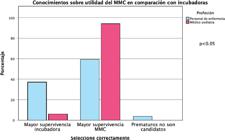
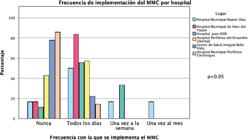
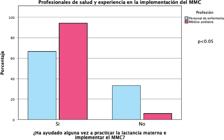
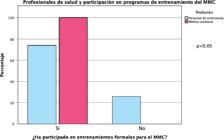
The Kangaroo Mother Care method is a skin-to-skin contact technique between mother and child that promotes the physiological, cardiopulmonary, and neurological development of newborns. This study evaluated the knowledge, attitudes, and practices of healthcare professionals regarding this approach in pediatric units of secondary care centers in Santiago de los Caballeros, Dominican Republic. A descriptive, cross-sectional observational study was conducted using a 23-question survey administered to 44 healthcare professionals. Chi-square tests were applied to identify significant associations between demographic data and the variables analyzed. The results showed that pediatricians had deficiencies in their knowledge of the benefits of skin-to-skin contact for newborns with normal weight. Similarly, nurses demonstrated gaps in understanding its effectiveness compared to incubators. The implementation of this technique was more active among pediatricians due to more adequate formal training, whereas nurses faced limitations stemming from a lack of specific education. Furthermore, significant variations were observed in the frequency of its implementation across hospitals, highlighting shortcomings in infrastructure and institutional support. In conclusion, while pediatricians receive more robust training, they still exhibit knowledge gaps in certain aspects of this practice. Nurses, on the other hand, require more formal training, which negatively impacts their knowledge and performance. Both groups would benefit from continuous education programs to improve the quality of neonatal care.
Keywords:
Pediatrics; Kangaroo-Mother Care Method; Health Knowledge; Attitudes; Practice; Infant; Premature; Breast Feeding
 Thumbnail
 Thumbnail
 Thumbnail
 Thumbnail
 Thumbnail